Fire Safety Checklist for Homes with Open Fires and Log Burners
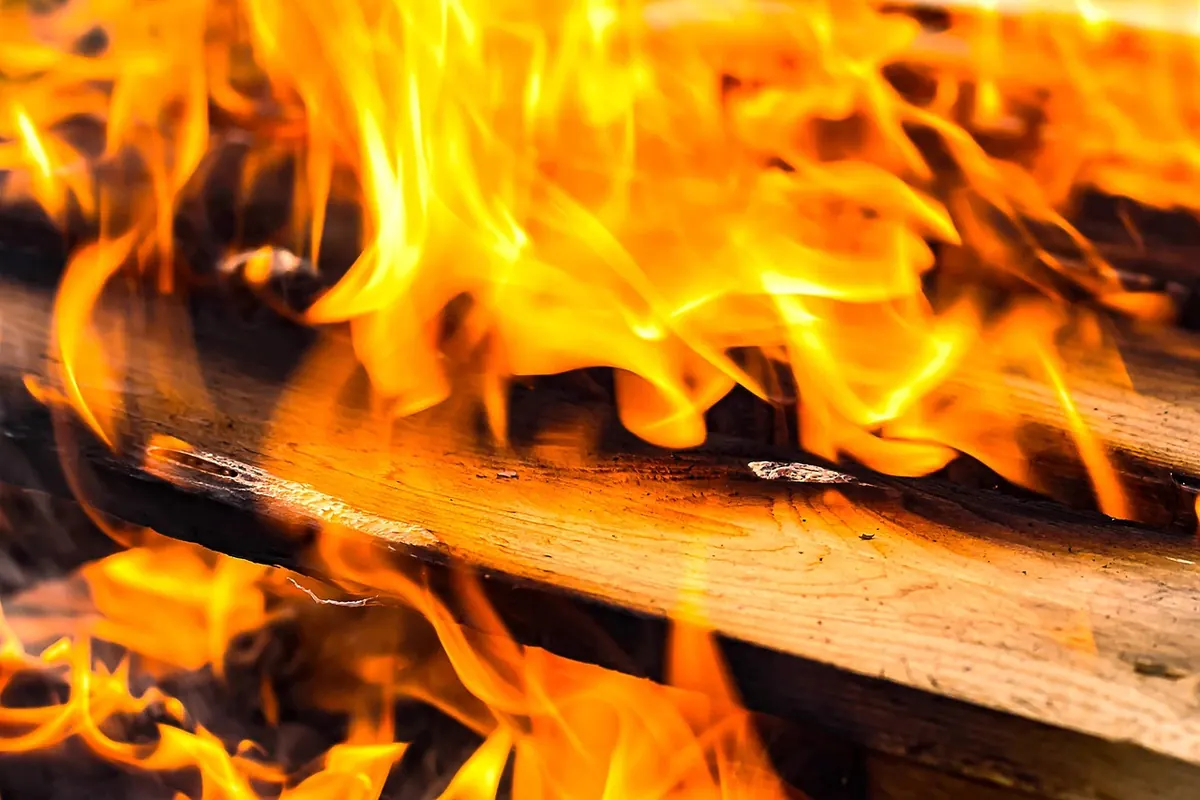
An open fire or a log burner changes a room. It also changes how you need to think about fire in your home. A live flame, a hot stove door, a chimney pulling air and smoke — these are everyday things, and they need everyday habits attached to them. Most fires linked to solid fuel don't begin with a dramatic flare-up. They begin with a spark landing on a dry rug, a hot ember tipped into a plastic bin, or a flue that hasn't been swept since the winter before last.
The reassuring part is that a short, repeatable routine covers almost everything. Work through the checks below once, fix what's missing, then keep the small habits ticking over through the season.
Alarms: The First Line of Defence
Before anything else, make sure you would be woken up. Smoke alarms should be fitted on every level of the home, ideally in hallways and on landings where smoke would travel, and tested weekly with the test button. They don't last forever, so check the date on the back and replace the unit when the manufacturer advises — often around the ten-year mark for the sensor.
If you burn wood, coal or smokeless fuel, you also need a carbon monoxide alarm. Solid fuel appliances can produce CO when they aren't burning cleanly, and the gas is invisible and odourless. Fit an audible CO alarm in the same room as the fire or stove and follow the manufacturer's siting instructions — usually at head height, not pressed against the ceiling and not directly above the appliance. Choose alarms carrying the relevant British Standard mark. If you ever suspect carbon monoxide — headaches, dizziness, nausea, or a strange lethargy in the room — open windows, get everyone outside and seek medical advice.
The Hearth and the Space Around It
Sparks travel further than people expect, and they stay hot. A spark guard is essential on an open fire whenever it's lit, and a fixed fireguard is worth fitting if there are young children, older visitors or pets in the house. On a stove, keep the door closed and latched, and check the rope seal and glass for damage.
Clearance matters more than decoration. Keep rugs, cushions, magazines, curtains and furniture a good metre back from the fire. Never dry clothes on a fireguard or drape anything over a stove — it's one of the quickest routes from a cosy evening to a serious fire. Store logs well away from the appliance, so that a rolling log can't reach the basket, and keep the hearth itself clear of fallen ash and debris.
Room-by-Room Checks
The room with the fire
- Spark guard or fireguard in place whenever the fire is burning.
- No soft furnishings, rugs, paperwork or dried flowers within a metre of the hearth.
- Log basket and kindling stored at a safe distance, not tucked against the stove.
- Stove door closed, seals intact, and the flue damper or vents set as the manufacturer advises.
- Nothing stored on top of a stove, even when it's cold.
Kitchen
- Fire blanket fixed to the wall near the hob — beside it, not behind it.
- Tea towels, oven gloves and wooden utensils kept clear of the rings.
- An extinguisher within easy reach of the kitchen door, not beside the cooker.
- Never leave cooking unattended, especially with oil.
Bedrooms, landing and stairs
- Escape route completely clear — no laundry baskets, boxes or bags on the stairs.
- Doors closed at night; a closed door slows a fire's spread considerably.
- A torch beside the bed and a phone charged within reach.
- Plug-in heaters kept well away from bedding and curtains.
Shed, garage and outside
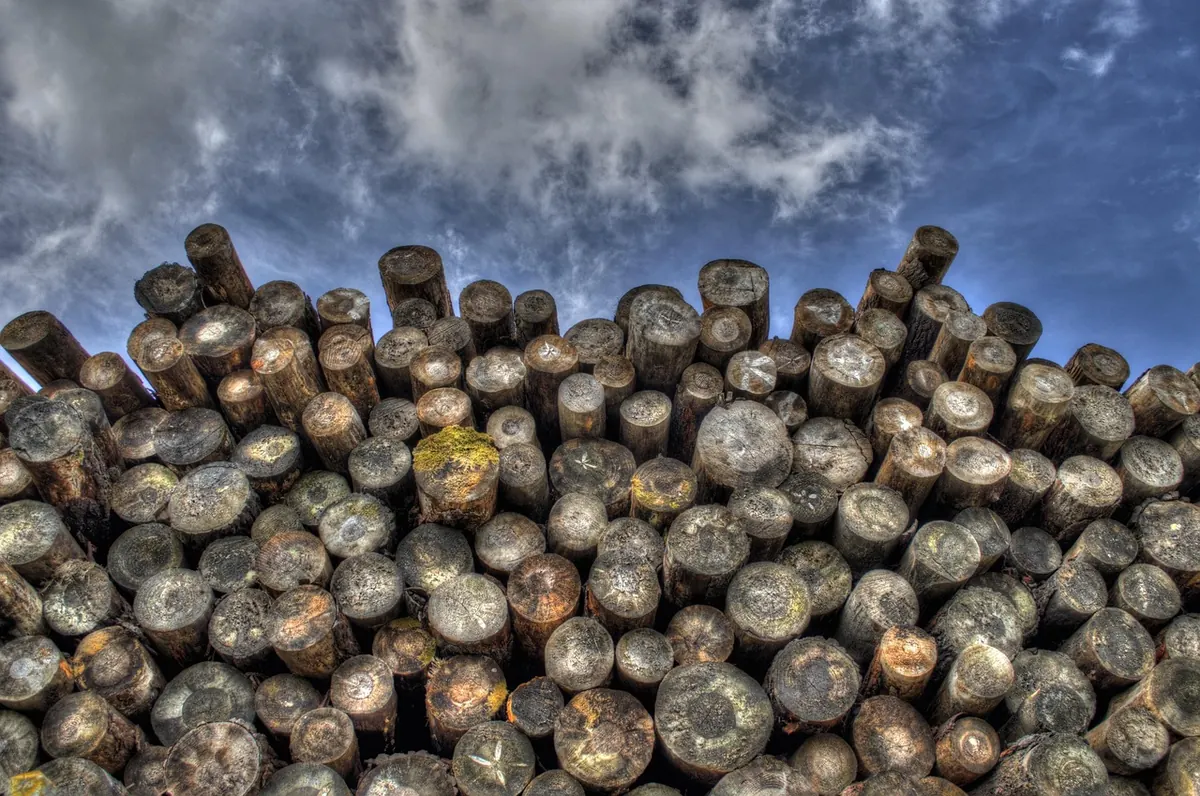
- Wood stored dry but not stacked against the house wall or directly under a window.
- Ash bucket kept outdoors on a non-combustible surface, away from fences and bins.
- Petrol, paraffin, paint thinners and other flammables nowhere near the appliance or the log store.
Extinguishers and Fire Blankets
You don't need a wall of equipment — you need the right two or three items in the right places. For a wood, paper or textile fire, a water or water-mist extinguisher is the sensible choice. Never use water on electrical equipment or on a pan of hot oil.
For anything plugged in, a carbon dioxide extinguisher is the better option, and a fire blanket handles small pan fires in the kitchen. Position extinguishers near the door of the room rather than next to the appliance, so you aren't reaching through flames to get to one, and check the pressure gauge once a month.
Be realistic about what an extinguisher is for: small, contained fires, tackled with your back to an escape route. If a fire has taken hold, get out, close the door behind you and call the fire and rescue service. No possession in the house is worth going back for.
Ash Disposal: The Quiet Risk
Ash looks harmless. It isn't. Embers buried in a pile of ash can stay hot for hours, sometimes longer, and a bucket of ash tipped into a wheelie bin has ended many a peaceful night badly.
- Empty ash into a metal container with a tight-fitting lid. Never a plastic bucket, a cardboard box or a bag.
- Take it straight outside — not into the garage, porch or utility room "just for now".
- Set it on a non-combustible surface, well clear of the house, shed, fence, bins and anything growing.
- Leave it for at least a day or two before disposing of the contents.
- Never vacuum warm ash. Even a pile that feels cool at the surface can hide live embers, and vacuum cleaners ignite easily.
Chimney, Flue and Ventilation
Have the chimney swept before the season starts, and arrange it at least once a year — more often if you burn regularly or use fuels that leave heavy deposits. A good sweep will also check the flue for cracks, blockages and loose mortar, and can tell you whether a liner needs attention. If the chimney has stood unused through spring and summer, get it checked before the first fire of autumn; birds are fond of nesting in them.
Solid fuel appliances need air. Never block an air vent or seal up an airbrick to stop a draught, and don't run an extractor fan in the same room as an open fire without understanding the effect on the draught. If smoke comes into the room rather than up the chimney, stop using the fire and get the flue looked at.
For anything structural — a new stove, a flue liner, a chimney repair — use a qualified, registered installer rather than tackling it yourself. This is one area where professional advice is genuinely worth paying for, and it matters for insurance as well as safety.
An Evening Routine Worth Keeping
Most of the risk sits in the last hour before bed, so make that hour automatic. Add your final fuel load early enough that it burns down rather than smoulders, close and latch the stove door, and put the spark guard in place on an open fire. Take the ash bucket outside. Check the smoke and CO alarms are showing normal. Close the doors to rooms you're not using, and keep the stairs and hallway clear.
Run through it once tonight and it will take two minutes. Do it every night and it becomes the sort of habit you don't have to think about — which is exactly the point.
Photo: Myriams-Fotos / Pixabay

You Might Also Like
Burning the wrong fuel in a smoke control area can mean a fine of up to £1,000. Here's how to check the rules and heat your home legally.
Hardwood and softwood both earn their place in a UK wood stove. Compare heat output, burn time, seasoning speed and cost, plus which species are worth buying.