Smoke Control Areas and Your Fireplace: Rules for UK Homeowners
If you live in a town or city, there's a fair chance your home sits inside a smoke control area. It's one of those bits of legislation that most people only discover when a neighbour complains, or when the council writes to them about their chimney. The rules aren't complicated once you know what applies to you, but they do determine which fuels you can burn and which appliances you can use.
Get it right and you can keep enjoying a real fire or a wood burner without any worry. Get it wrong and you could be looking at a fixed penalty notice or, in serious or repeated cases, a fine of up to £1,000. This guide covers what a smoke control area actually means, how to find out if you're in one, and the practical steps that keep you on the right side of the law.
What a smoke control area actually is
Smoke control areas were introduced under the Clean Air Act, following the deadly smogs that blanketed British cities in the 1950s. The aim was simple: reduce the smoke pouring out of domestic chimneys by restricting what could be burned and in what.
Inside a designated area, it's an offence to release smoke from a chimney. That single sentence does a lot of work, because it means the appliance and the fuel both matter. You can't simply carry on burning whatever you like and hope nobody notices; the legislation is about the visible smoke, not just the intent.
Councils can issue fixed penalty notices for smoke offences, and the maximum fine in the courts is £1,000 per offence. There's also a separate offence relating to selling or delivering unauthorised fuel for use in a smoke control area, which lands on the supplier rather than the homeowner — another reason to buy from reputable merchants who know your postcode.
How to check whether you're in one
Every local authority publishes a map or list of its smoke control areas, usually on the council website under environmental health or air quality. If it isn't obvious, a quick phone call or email to the environmental health team will confirm it. Ask them directly: "Is my property inside a smoke control area?"
Two things catch people out here. First, areas aren't always whole towns — you can be in one street and outside the area on the next. Second, the rules travel with the property, not with the person, so moving house means checking again.
The rule of thumb: if you're in a smoke control area, smoke from your chimney is the problem — not the type of fireplace in your living room.
The two ways to stay compliant
In a smoke control area you have a choice. Either burn an authorised fuel, or burn any fuel in an exempt appliance. You don't need both, and knowing which route you're taking makes everything else straightforward.
Route one: authorised fuels
Authorised fuels are those that the government has approved for use in smoke control areas because they produce very little smoke when burned. If you're using one of these, your appliance doesn't need to be exempt.
- Anthracite, including certain branded anthracite products
- Semi-anthracite and some low-volatile steam coals
- Gas and other authorised gaseous fuels
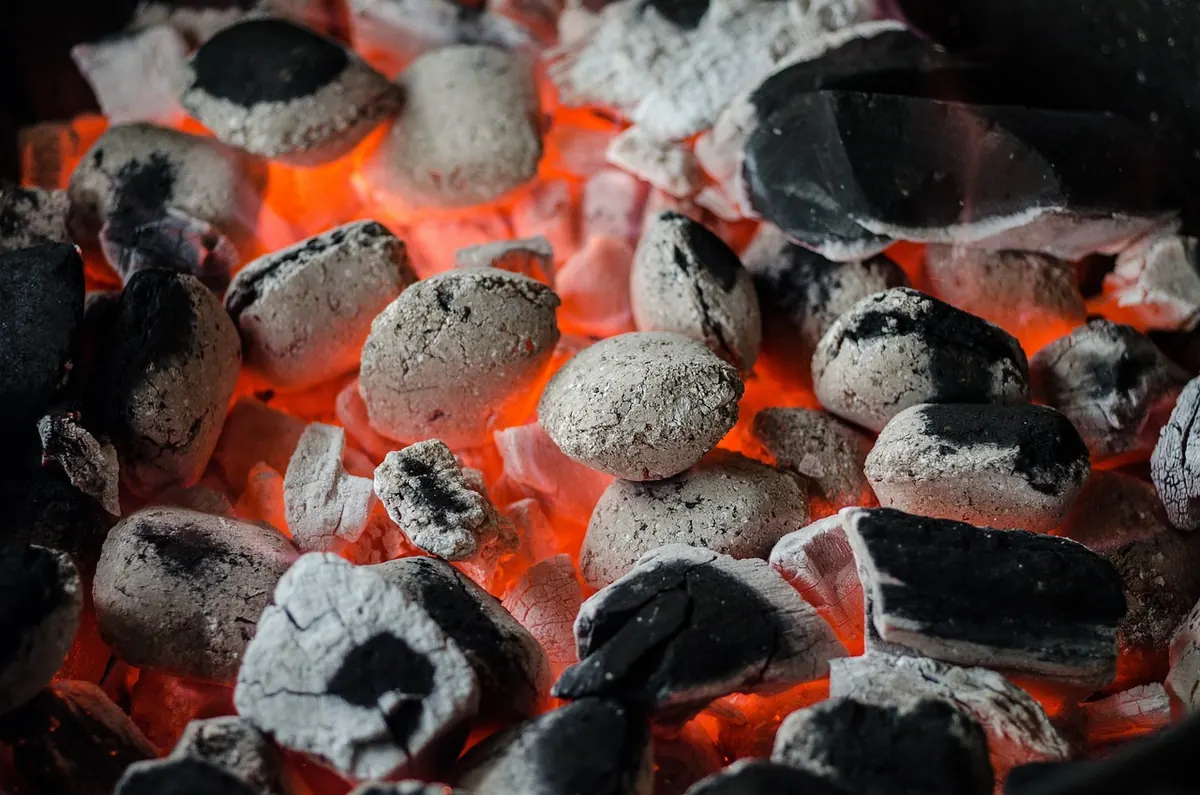
- Smokeless fuel briquettes and ovoids that carry the authorised fuel mark
- Approved manufactured solid fuels, including some coffee-based and other biomass briquettes that meet the standard
House coal and wet, unseasoned wood are not authorised fuels. If you want to burn them in a smoke control area, you'll need an exempt appliance. The authorised fuel list does change from time to time as new products are tested, so it's worth checking the current government list rather than relying on what a neighbour told you a few years ago.
Route two: exempt appliances
Exempt appliances are stoves, boilers and fireplaces that have passed a smoke emission test, meaning they can burn wood and other fuels while staying within the limits. The list includes many well-known wood burning stoves. The catch is that the exemption applies to the specific model and sometimes to how it's installed and operated.
If you have an exempt stove, confirm two things: that the exact model appears on the current list, and that it's being used as the manufacturer intends. An exempt stove that's been modified, badly installed, or fed with wet wood can still smoke, and it's the smoke that matters.
Practical ways to avoid smoke and fines
Complaints usually come down to visible smoke, and visible smoke usually comes down to poor combustion. Whether you're in a smoke control area or not, these habits reduce smoke and keep the neighbours friendly.
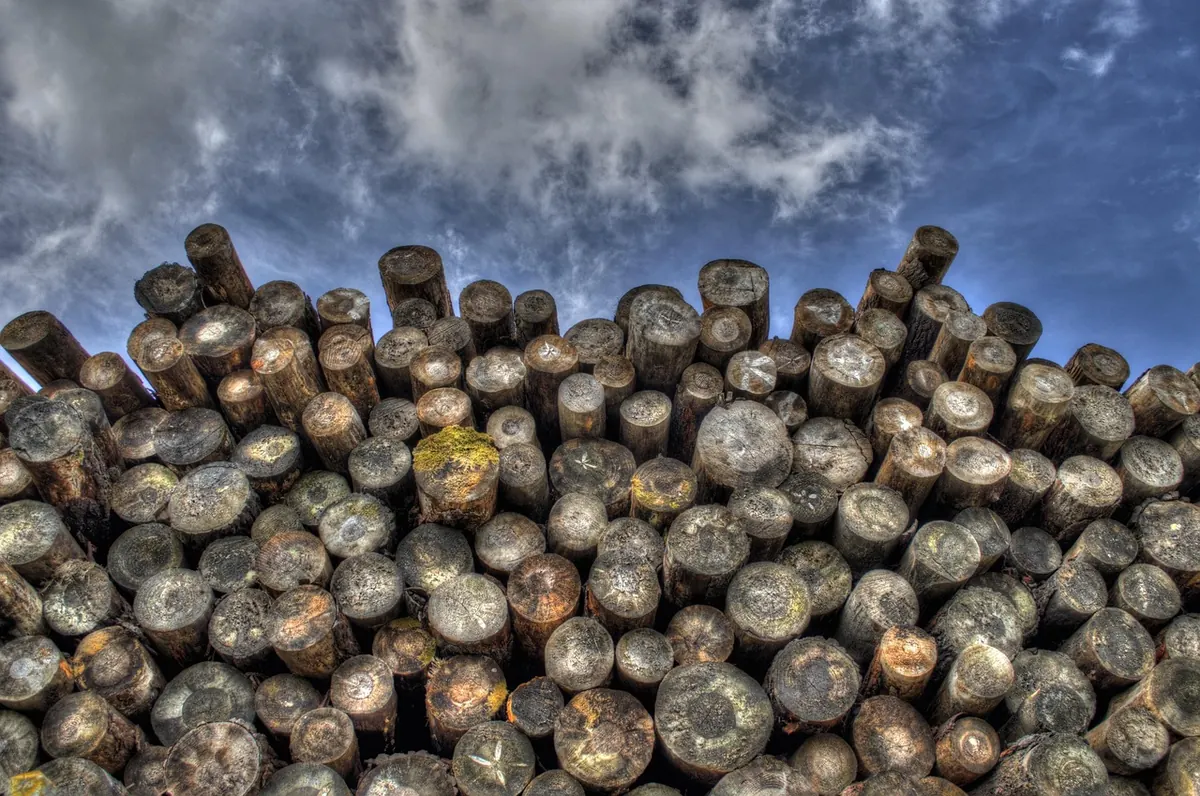
- Burn dry wood. Properly seasoned wood has a moisture content low enough to burn hot and clean. Wet wood hisses, smoulders and smokes. Buy kiln-dried logs or season your own for at least a year.
- Use the right fuel for your appliance. Don't put house coal in a stove designed for wood, and don't burn rubbish, treated timber, or pallet wood with paint or fixings.
- Get the fire hot quickly. A small, bright fire with plenty of air produces far less smoke than a big, smothered one. Don't starve the fire of oxygen to make it last longer overnight in a smoke control area.
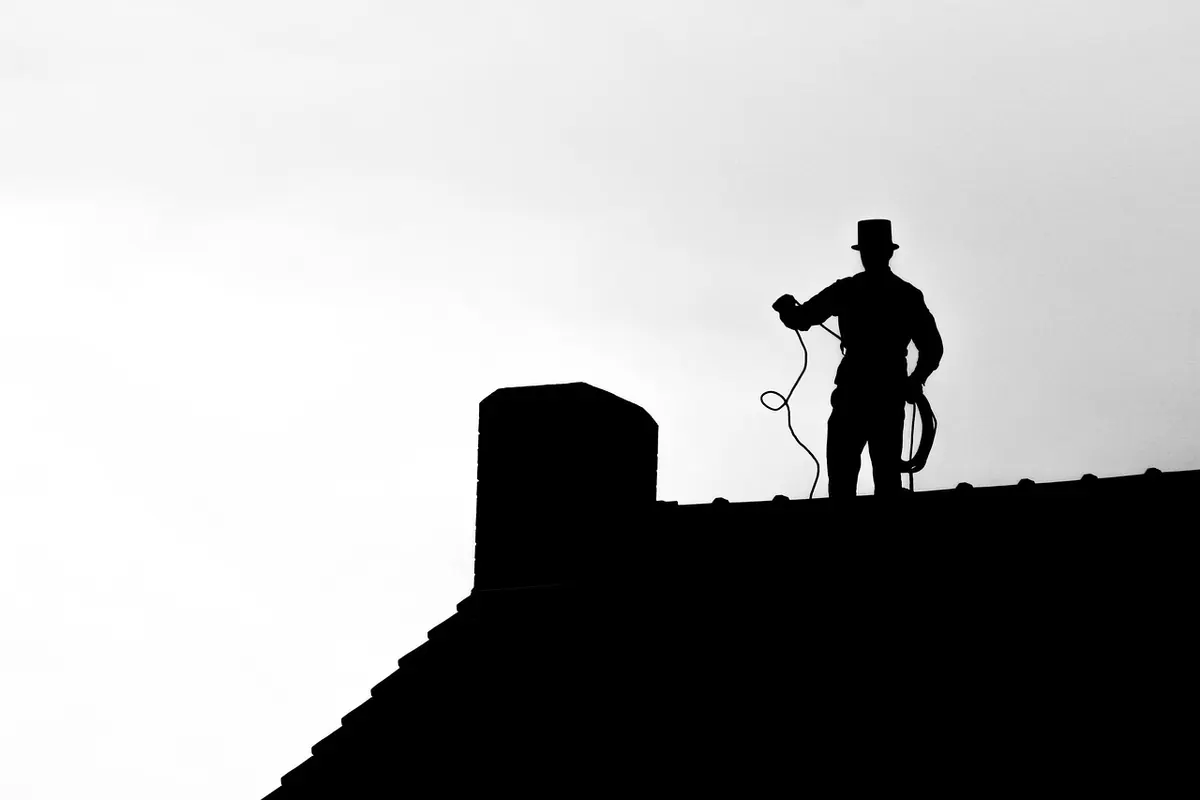
- Have the chimney swept regularly. A blocked or sooted flue affects how the appliance burns.
- Check before you buy fuel. Ask the merchant whether the product is authorised for smoke control areas, and keep the receipt.
- Watch your neighbour's washing line. If smoke is drifting across it, you're probably producing more than you think.
If you're considering a new stove, ask the retailer to confirm the model's exemption status in writing before you buy. If you're unsure whether an existing installation meets the rules, a registered installer or chimney sweep can advise. For anything involving a formal complaint, a potential fine, or a dispute with your council, it's worth taking proper legal advice rather than relying on a general guide like this one.
A quick checklist before you light up
Find out whether your property is in a smoke control area, and note it somewhere you'll see it. Decide whether you're following the authorised fuel route or the exempt appliance route, and stick to it. Buy fuel from a merchant who can confirm it meets the standard, keep the fire burning brightly rather than smouldering, and book a chimney sweep at least once a year.
None of that is onerous, and it pays off in a cleaner flue, a warmer room and fewer awkward conversations over the garden fence. A well-run fire is a pleasure. A smoky one is a problem waiting to be reported.
Photo: ClickerHappy / Pixabay
You Might Also Like
A practical, room-by-room fire safety checklist for homes with open fires and log burners, covering alarms, hearth guards, extinguishers, chimney care and safe ash disposal.
Hardwood and softwood both earn their place in a UK wood stove. Compare heat output, burn time, seasoning speed and cost, plus which species are worth buying.