Hardwood vs Softwood: What to Burn in a UK Wood Stove
Ask a dozen stove owners what to burn and you will get a dozen confident answers, several of them wrong. The truth is that both hardwood and softwood belong in a UK wood stove; what matters is knowing which one to reach for, and when. Softwood has a bad reputation it does not deserve, while some hardwoods are far more trouble than they are worth. Here is how the two compare on heat, burn time, seasoning and cost, along with the species you are most likely to find at a British firewood supplier.
What Actually Separates Hardwood from Softwood
Hardwood comes from broadleaved trees — oak, ash, beech, birch, sycamore — and softwood from conifers such as pine, spruce, larch and fir. The names are misleading. Balsa, one of the lightest woods on earth, is a hardwood. What really matters in your stove is density and moisture content: how much solid wood you can fit into a given volume, and how much water is still locked inside it.
Resin is the usual objection to softwood. In practice, tar and creosote build up in a flue because of wet wood and cool, smothered fires, not because the log grew on a conifer. Burn dry softwood in a hot stove with the air controls open and it burns cleanly, with a bright flame and very little ash.
Heat Output: Weight Versus Volume
By weight, dry wood of any species releases broadly similar energy. By volume, it is a different story. A dense hardwood log packs far more wood fibre into the same space, so a basket of oak, beech or hawthorn throws out noticeably more heat than the same basket of spruce or poplar. The trade-off is that hardwoods are heavy to handle, slower to catch and harder work to split.
Softwood's advantage is speed. It lights readily, flames up quickly and starts heating the room within minutes — ideal on a cold morning when you want the chill off before work. Hardwood is the one that keeps a room warm at nine in the evening without constant attention.
Burn Time and the Overnight Question
If you want to load the stove last thing at night and still find embers at breakfast, dense hardwood is the answer: oak, beech, hornbeam, hawthorn, apple. These hold their shape, burn down to a chunky ember bed and radiate steadily for hours.
Softwood burns through quickly and leaves a fine, powdery ash, so it needs more frequent reloading. That is not a fault, it is simply what a lighter fuel does. Slumbering a stove for hours to stretch a load is a false economy: it cools the flue, blackens the glass and lays down tar that you will pay a sweep to remove. Better to burn a smaller load properly and refuel when you need to.
Seasoning Speed: Where Softwood Wins Clearly
Seasoning is simply air-drying split logs until the moisture content falls below roughly 20 per cent. Wet wood wastes energy boiling off water instead of heating your room, and it is the main cause of smoky chimneys and glazed stove glass.
- Softwood, split small: often ready in a single season, six to twelve months.
- Most hardwoods: twelve to twenty-four months.
- Oak: treat it as a two-year project. It is dense and slow to shed water.
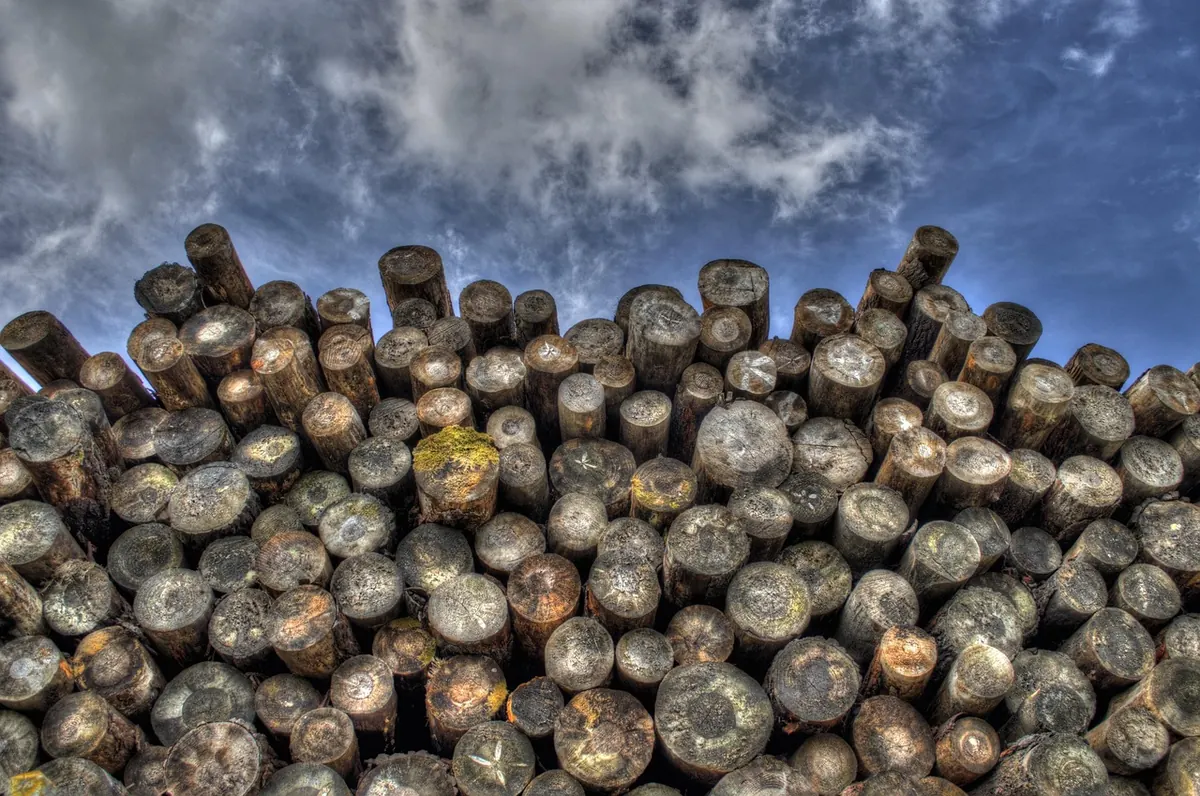
Split logs to a sensible size, stack them off the ground on pallets and cover the top only, leaving the sides open to the wind. A moisture meter costs little and removes the guesswork: split a log and test the freshly exposed face rather than the weathered outside. Two logs knocked together should ring; a dull thud usually means damp wood.
Ash wet or ash dry, a king shall warm his slippers by.
The old rhyme has some truth in it — ash splits easily and seasons quickly, so it is unusually forgiving. Even so, a proper summer of drying will improve any log.
Common UK Firewood, Species by Species
- Oak — dense, long-burning, excellent heat. Needs two years or more and is usually the priciest. Buy it seasoned or plan well ahead.
- Ash — the all-rounder. Splits cleanly, seasons reasonably fast, gives good steady heat. If you learn one species, learn this one.
- Beech — heavy, clean-burning, superb for overnight loads. Slow to season.
- Birch — decent heat, seasons fairly quickly, and the bark is first-class kindling. It rots if left in the damp.
- Hawthorn, blackthorn, apple, cherry — dense hedgerow and garden woods with strong heat output, often free when someone is pruning.
- Sycamore and maple — middle of the road, perfectly good for mixing in with denser logs.
- Willow, poplar, aspen — light and fast-burning. Worth taking if it is free, best saved for kindling or milder days.
- Pine, spruce, larch, fir — first-rate kindling and quick heat, cheap and easy to find. Keep the flue swept and burn it hot.
Avoid anything treated, painted or glued: old fence panels, railway sleepers, MDF, chipboard, driftwood (salt damage) and any timber with nails or plastic in it. Pallets are fine only if they are untreated and clean — steer clear of anything stamped MB, which means it has been fumigated.
Cost: Price Per Load Versus Price Per Warm Evening
Firewood is usually sold by volume — a net, a bag, a crate, a tipper load — so comparing prices by weight is misleading. Dense hardwood costs more per load but delivers more heat per load. Cheap softwood can work out worse value if you are feeding the stove twice as often.
How you buy usually decides the economics. Kiln-dried bags from a garage forecourt are convenient and expensive. A bulk load of seasoned hardwood bought in spring, stacked and left over summer, costs far less per evening. Free wood from tree surgeons, storm damage or a neighbour's pruning is the best value of all, provided you have permission and somewhere to store it. If you are buying, look for the Ready to Burn mark, which confirms the wood is dry enough to use straight away, and check bulk loads with your own meter.
A Practical Routine That Uses Both
Most experienced stove owners stop treating this as a contest and start treating it as a sequence.
- Start with softwood kindling and a couple of small splits to build a hot bed of embers.
- Add two or three softwood logs to raise the flue temperature quickly.
- Switch to hardwood for the main burn, when you want steady heat and long gaps between refuelling.
- Load dense hardwood before bed if you want embers in the morning, keeping the air open enough that the fire stays alive rather than smouldering.
- Keep both in the log store: a small stack of softwood for lighting and quick heat, a larger stack of seasoned hardwood for the long burn.
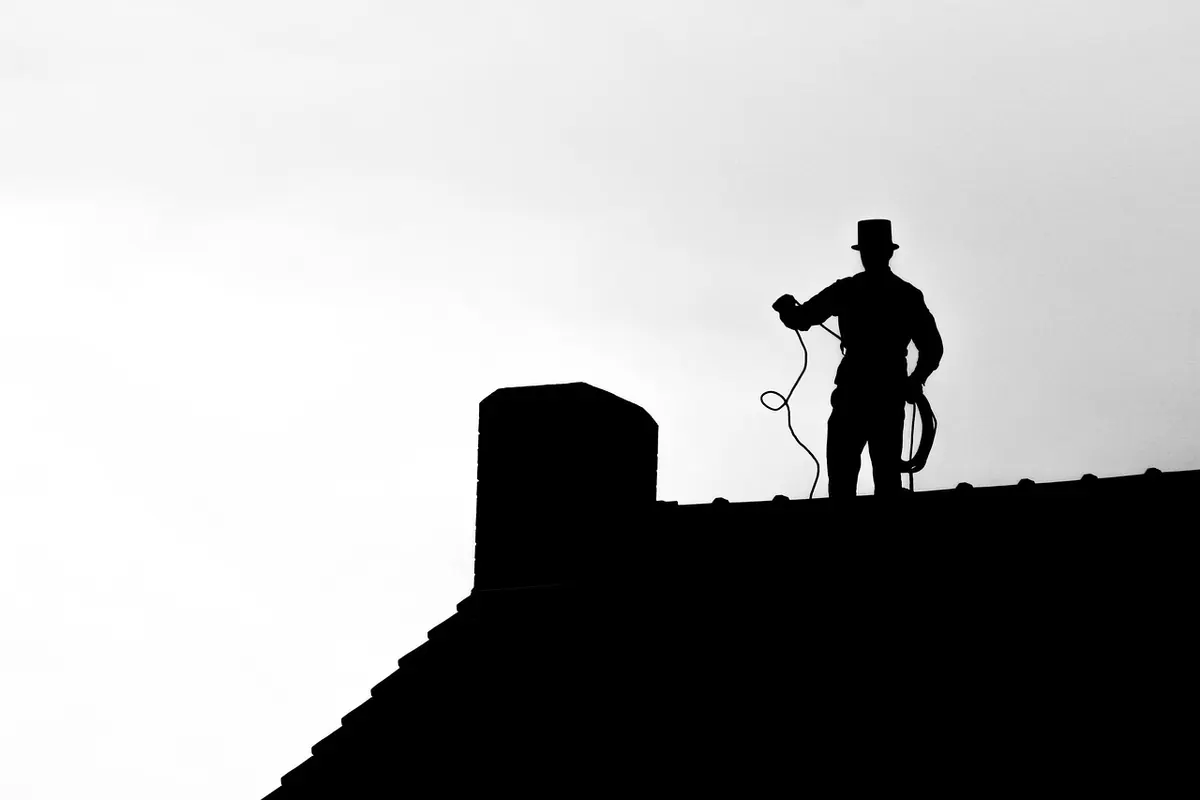
Whatever you burn, the basics of safety and efficiency stay the same. Have your chimney swept at least once a year — more often if you burn a lot of softwood or use the stove heavily — by a registered sweep. If you live in a smoke control area, check with your local council which fuels and appliances are authorised, as rules are stricter there. And if you are unsure about your stove, flue or chimney, or are planning any installation or alteration, take advice from a qualified installer rather than guessing.
You Might Also Like
Burning the wrong fuel in a smoke control area can mean a fine of up to £1,000. Here's how to check the rules and heat your home legally.
A practical, room-by-room fire safety checklist for homes with open fires and log burners, covering alarms, hearth guards, extinguishers, chimney care and safe ash disposal.