How to Tell If Your Chimney Needs Sweeping: A Homeowner's Checklist
A chimney is one of those parts of a house that quietly gets on with the job until it stops. Then you notice. A fire that sulks instead of blazing, a whiff of soot in the front room, a draught where there should be a warm glow. Soot, tar and the occasional bird's nest all narrow the flue, and a narrowed flue pushes smoke back into the room instead of up and out. Most chimney problems announce themselves well before they turn expensive. Here is what to look for, when to book a sweep, and the checks you can carry out yourself in a few minutes.
Warning signs inside the house
Start with what the fire itself is telling you. A healthy solid-fuel fire draws steadily, burns with a bright flame and leaves the glass on a stove reasonably clear. If yours has started behaving differently, that change is the clue.
- Smoke drifting into the room. A puff when you first light up can be normal on a cold, still day. Smoke that keeps coming back once the fire is burning well points to a restricted or cold flue.
- Soot falling into the grate or onto the hearth. Flakes of soot landing in the fireplace usually mean there is a build-up in the flue waiting to come down.
- A sooty smell, especially in warm weather. Tar and soot smell far stronger when the air is damp and the appliance is off. If the front room smells like a bonfire in July, the flue is dirty.
- Blackened stove glass or a tarred firebrick. A thin haze is normal; a thick, sticky black coating suggests poor combustion and heavy deposits.
- A fire that is hard to light or keeps dying down. When the draw is poor, the fire struggles for air.
- Soot stains or a dark shadow around the fireplace opening. This suggests smoke is escaping where it should not.
Gas appliances and open-flued boilers give subtler signals: a yellow rather than blue flame, an odd smell, or condensation that never used to be there. Do not investigate those yourself. Turn the appliance off and call a Gas Safe registered engineer. Treat any suspicion of carbon monoxide as urgent, and fit an audible CO alarm in the same room as any solid fuel, gas or oil appliance.
What you can spot from outside
Walk out to the garden and look up. You do not need binoculars for most of this.
- Crumbling mortar or a chimney stack that has started to lean.
- A cracked, missing or wobbly chimney pot, or a cowl that has come loose.
- Heavy black staining around the top of the pot.
- Birds flying in and out, or nesting material visible at the top.
- Damp patches or chalky white staining on the chimney breast indoors, which often means water is getting in.
Anything structural is a job for a qualified builder or chimney engineer rather than a sweep alone. A loose pot or cracked flaunching lets rain into the flue, and water mixed with soot forms a corrosive paste that eats into the inside of the chimney over the years.
Five-minute checks you can do yourself
These are checks, not cleaning. Nothing here replaces a sweep with proper rods and an industrial vacuum, but they will tell you whether it is time to pick up the phone.
- Shine a torch up the flue. Open the stove door or the register plate and look upwards from the fireplace opening. You should see flue walls, not a carpet of soot.
- Test the draught. With the room cold and no fire lit, hold a lit incense stick or a smoke pellet near the opening. Smoke should be pulled steadily upwards. If it hangs about or blows back, the draw is poor.
- Feel around the fireplace. Run a hand along the edges of the opening and the top of the stove for soot smudges or gritty deposits.
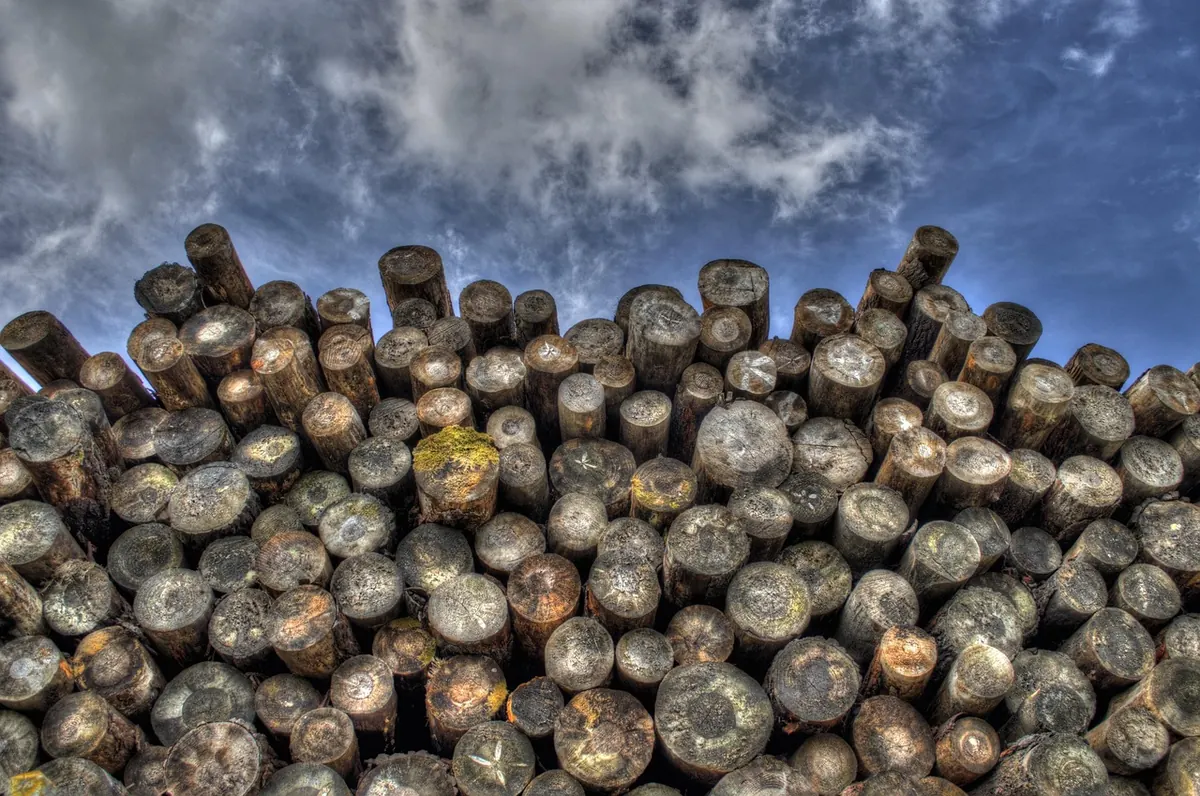
- Look at your fuel. Wet or unseasoned wood hisses, smoulders and coats the flue with tar. Properly seasoned wood is lighter, paler and cracks at the cut ends.
- Test your alarms. Press the test button on the smoke and carbon monoxide alarms. It takes seconds, and it is the check most people skip.
Timing: when to book a sweep
The calendar matters as much as the clues. Sweeps get booked solid from September onwards, so the easiest way to secure a pre-winter visit is to arrange it in spring or early summer. If you burn wood through the winter, twice a year is a common recommendation; smokeless fuel, gas and oil appliances generally need sweeping once a year. Where wood is your main fuel and the stove runs most evenings, some households have it swept more often than that. The principle is straightforward: the more you burn and the dirtier the fuel, the more attention the flue needs.
Moments that reset the clock
Sometimes the calendar should give way to common sense entirely.
- After a chimney fire. Even a small one can crack or distort a flue lining. Have it inspected before you light up again.
- When you move into a new home. You have no idea what the previous occupants burned or when the chimney was last swept.
- After a long period of disuse. A flue left idle for a year or more will have gathered debris, and possibly residents.
- After a change of fuel or appliance. A new stove, or a switch from coal to wood, changes how the flue behaves.
- If birds have been in the chimney. A nest is a blockage and needs removing before the season starts.
Booking the sweep
Use a sweep registered with a recognised trade body, and ask for a certificate or notice of sweeping when the job is done. Keep that paperwork. Insurers and future buyers sometimes ask for it, and it tells the next owner exactly when the flue was last cleaned.
When you call, have your details ready: what you burn, whether you have an open fire or a stove, how many flues there are, and any symptoms you have noticed. The sweep can then bring the right rods and brushes and allow enough time. On the day, clear the hearth, move anything breakable, and expect a fair amount of soot — modern sweeps are tidy, but fine dust finds its way onto surfaces.
Treat the visit as a service, not just a clean. A good sweep will tell you if the flue lining is breaking down, if a cowl has worked loose, or if the appliance is burning badly. That conversation is often worth as much as the sweeping itself.
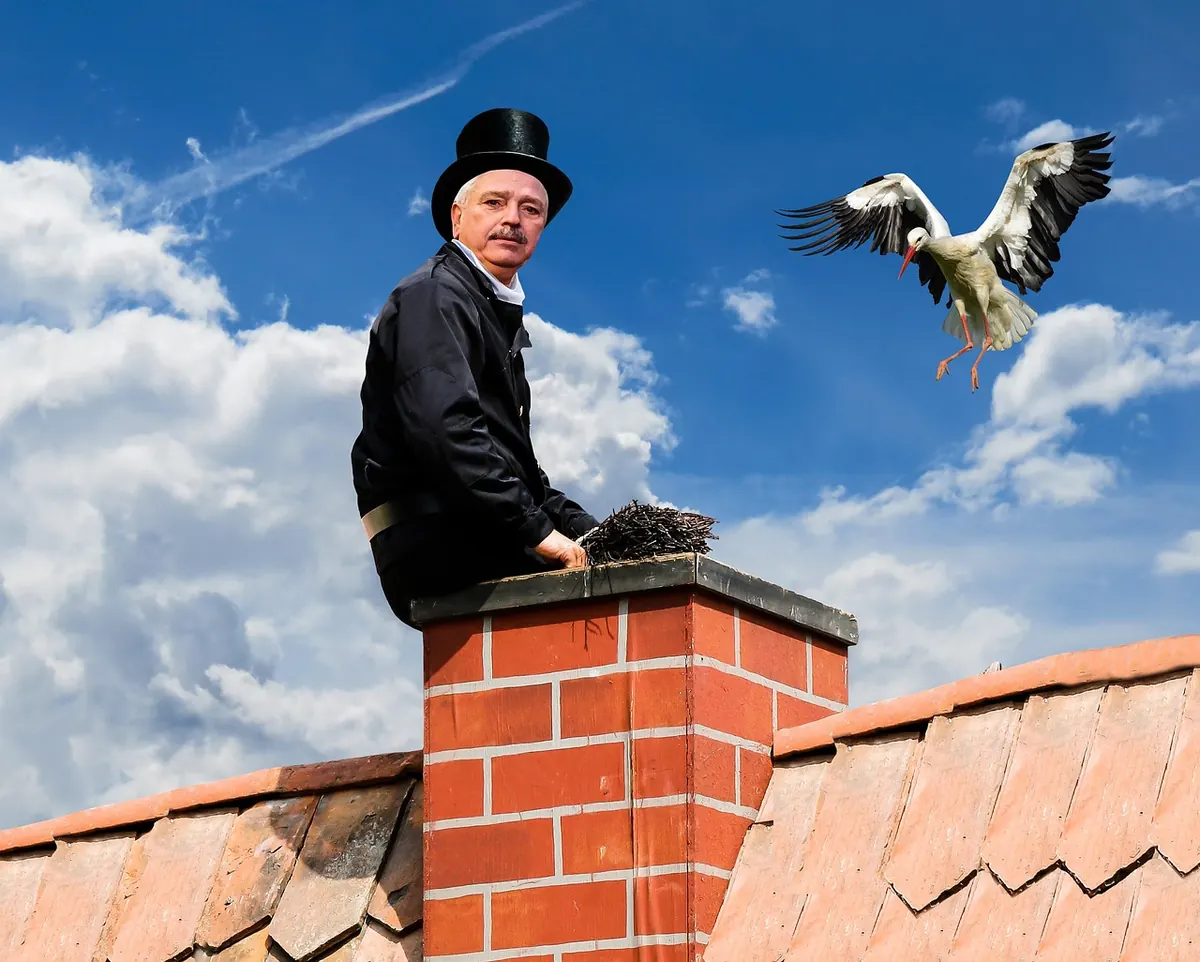
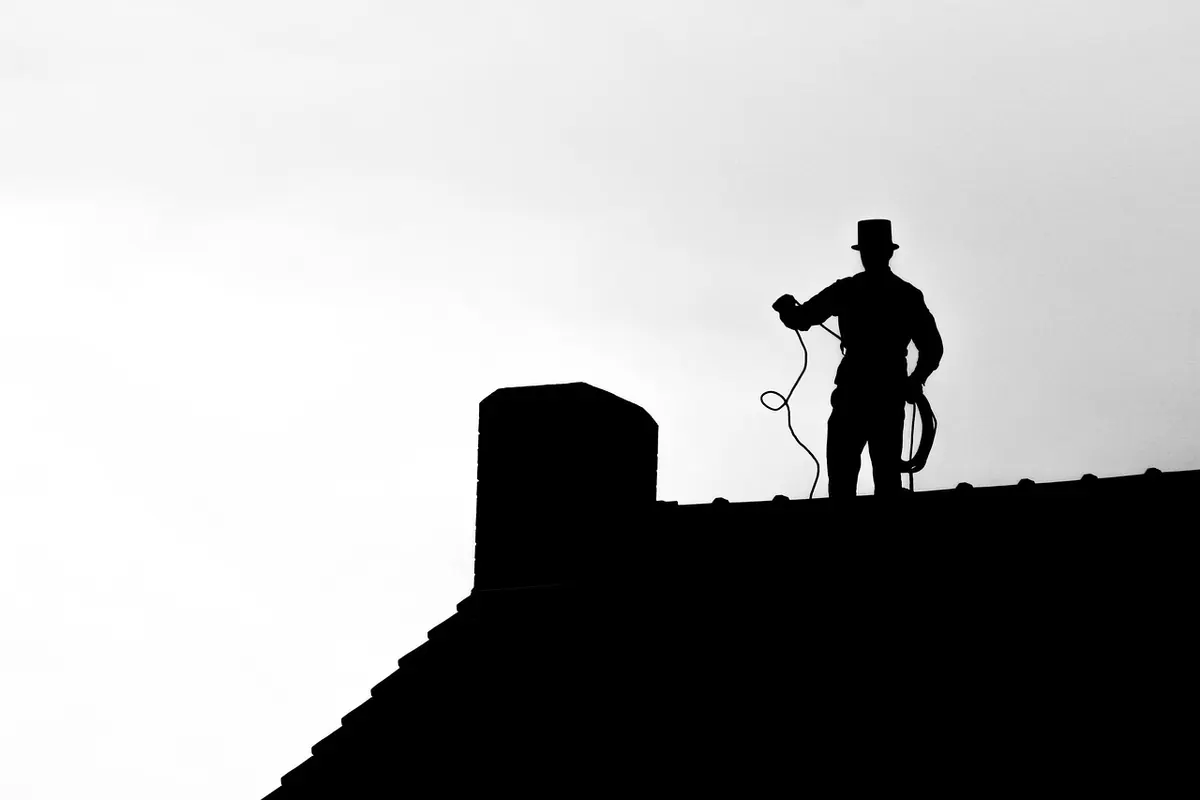
Photo: garten-gg / Pixabay

You Might Also Like
Burning the wrong fuel in a smoke control area can mean a fine of up to £1,000. Here's how to check the rules and heat your home legally.
A practical, room-by-room fire safety checklist for homes with open fires and log burners, covering alarms, hearth guards, extinguishers, chimney care and safe ash disposal.