How to Clean Wood Stove Glass Without Scratching It
There is nothing quite like a wood stove with a clear window: flames dancing, the glow on the hearth, the sense that the room has slowed down for the evening. Then a week of damp logs and slumbering fires later, the glass is a black smear and the view has gone. Cleaning it is not difficult, but it is easy to do badly. A pan scourer or one impatient minute can leave a permanent haze of fine scratches, and the wrong cleaner can damage the door seal or the stove's painted finish. Here is a gentler approach that actually works.
Why stove glass goes black
Nearly all blackening comes down to incomplete combustion. When the fire is starved of air, run too cool, or fed wet wood, the smoke does not burn off in the firebox. Some of it condenses on the coolest surface it can find, and that is usually the glass.
The deposit tells you what you are dealing with. Grey, dry, powdery soot wipes away with almost no effort. Brown or black tar — and the shiny baked-on film that forms after a long, slow burn — is stickier and takes patience. Both respond to the same basic method; tar simply needs more time and a little help softening.
Before you start: five minutes of preparation
- Let the stove cool. Warm is workable, hot is not. Cold water on hot ceramic glass can crack it.
- Open the door and lay newspaper or an old towel on the hearth, beneath the glass.
- Gather soft cloths, kitchen paper, warm water, a drop of washing-up liquid, white vinegar and a small pot of fine ash.
- Check the glass for chips or cracks. A damaged pane needs replacing before you clean it, not after.
- Work in a ventilated room if you use a proprietary cleaner, and follow the instructions on the label.
Stove glass is ceramic, not ordinary window glass. It is made to take extreme heat, but it is still softer than metal and it will scratch.
The ash and water method
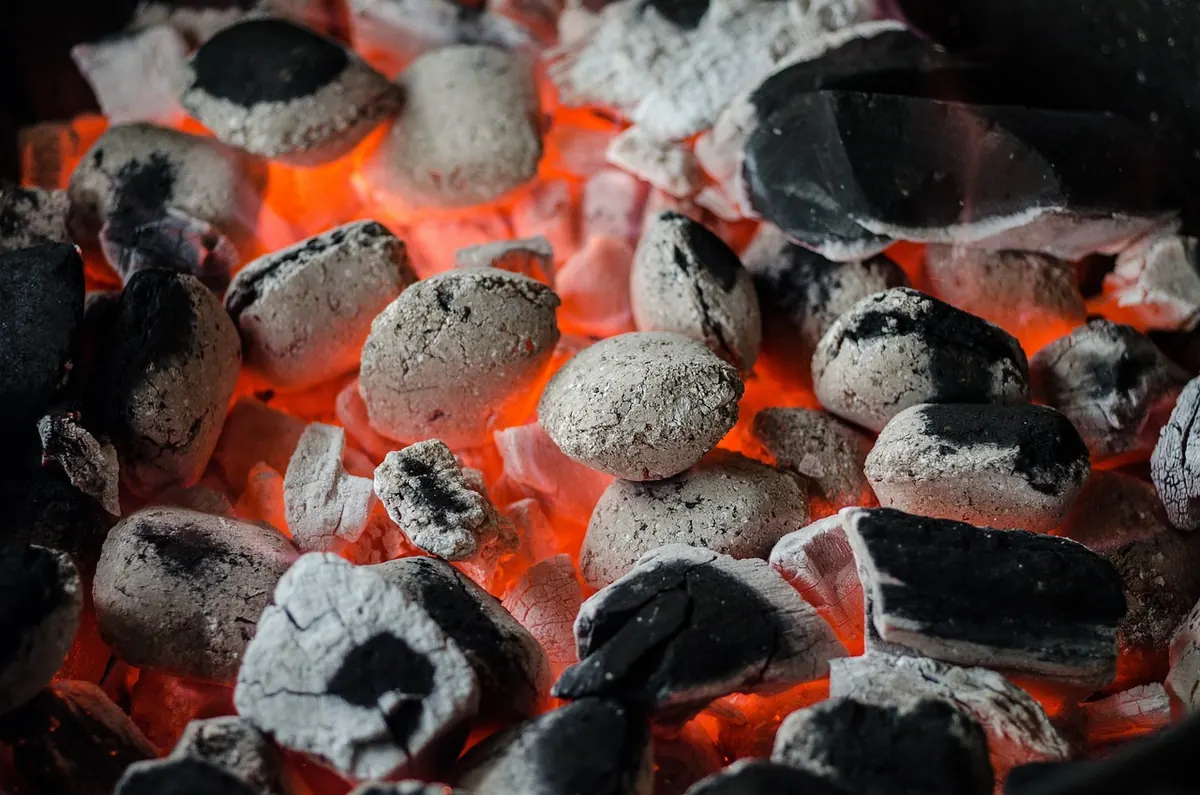
This is the oldest trick in the book and it shifts soot and light tar without any chemicals at all. Ash is mildly abrasive, so use the softest, finest ash you have — pale grey powder from the ash pan, not gritty clinker.
- Take a small pinch of fine ash and put it on a sheet of newspaper.
- Dip a damp ball of newspaper or a soft cloth into the ash so it picks up a light dusting.
- Rub the glass in small circles with light pressure, adding a little warm water as you go. Do not press hard.
- Wipe away the residue with a clean damp cloth, then buff dry with a soft cloth.
If the glass is only lightly sooted, plain warm water and a microfibre cloth will do the job on its own.
Mild cleaners that will not harm the glass
- Washing-up liquid and warm water. A single drop in a bowl is plenty. Good for general film and finger marks.
- White vinegar. Dilute with an equal part of water and use it on sooty glass. Keep it away from the rope seal.
- Bicarbonate of soda paste. A thick paste of bicarbonate and water lifts light tar. It is a mild abrasive, so use a fingertip of pressure rather than elbow grease.
- Proprietary stove glass gel. Made for the job. Apply to cool glass, leave for a few minutes as directed, then wipe off.
- A plastic scraper. A pan scraper or an old plastic card shifts lumps of tar without touching the surface.
When the tar will not budge
Baked-on tar is a matter of softening, not scrubbing. Apply a stove glass gel and leave it for the full time stated on the label. If you would rather avoid the chemicals, soak a cloth in warm vinegar, press it against the glass for a few minutes, then wipe. Repeat twice rather than rubbing hard once: two gentle passes beat one aggressive one every time.
If a patch still refuses to move, leave it. Clean it again after the next fire, once the heat has dried and cracked the film. Most stubborn patches come away on the second or third attempt.
What never to use
- Steel wool, wire brushes, sandpaper or metal scrapers. They leave scratches that catch the light permanently, and no amount of polishing will remove them.
- Cream cleansers and scouring powders, which are far more abrasive than ash.
- Oven cleaner. The caustic ingredients can attack the door gasket, the paint and the stove's finish, and the fumes are unpleasant in a living room.
- Any cleaner sprayed directly at the door. Spray onto the cloth, never onto the glass, so nothing runs into the seal or down the stove front.
Avoid wetting the rope gasket around the glass and the door. Damp rope hardens as it dries and stops sealing properly, and a leaking door is one of the reasons glass blackens so quickly in the first place. If you do splash it, dry it thoroughly and run a gentle fire afterwards.
Look after the seal and you will clean less often
Run a finger around the door gasket. It should feel springy, not flat or brittle. If the door does not seal, air leaks in around the edges instead of washing down the inside of the glass, and you will be cleaning that window every week. Replacement rope is inexpensive and straightforward to fit, though if the door is warped or the hinges are worn, it is worth asking a qualified stove engineer to take a look.
Burning habits matter just as much. Dry, seasoned wood — ideally under 20 per cent moisture — a decent bed of embers, and enough air to keep the fire burning brightly will keep the glass far clearer than any cleaner. Do not pile logs against the glass, and avoid long, smouldering overnight burns with the air turned right down if you want to see the fire in the morning.
The five-minute routine
Clean the glass little and often rather than waiting for a thick layer to build up. Once the stove is cool, a damp cloth and a light dusting of ash takes a couple of minutes and keeps the view intact. Deal with tar promptly, use the mildest thing that works, and never reach for anything metal. Treat the glass and the door seal kindly and you will get years of clear firelight instead of a scratched, smoky pane. If you are unsure about a stubborn deposit, a cracked pane or a door that no longer seals, ask a qualified stove installer — it is a small job for them and worth getting right.
Photo: cocoparisienne / Pixabay


You Might Also Like
Burning the wrong fuel in a smoke control area can mean a fine of up to £1,000. Here's how to check the rules and heat your home legally.
A practical, room-by-room fire safety checklist for homes with open fires and log burners, covering alarms, hearth guards, extinguishers, chimney care and safe ash disposal.