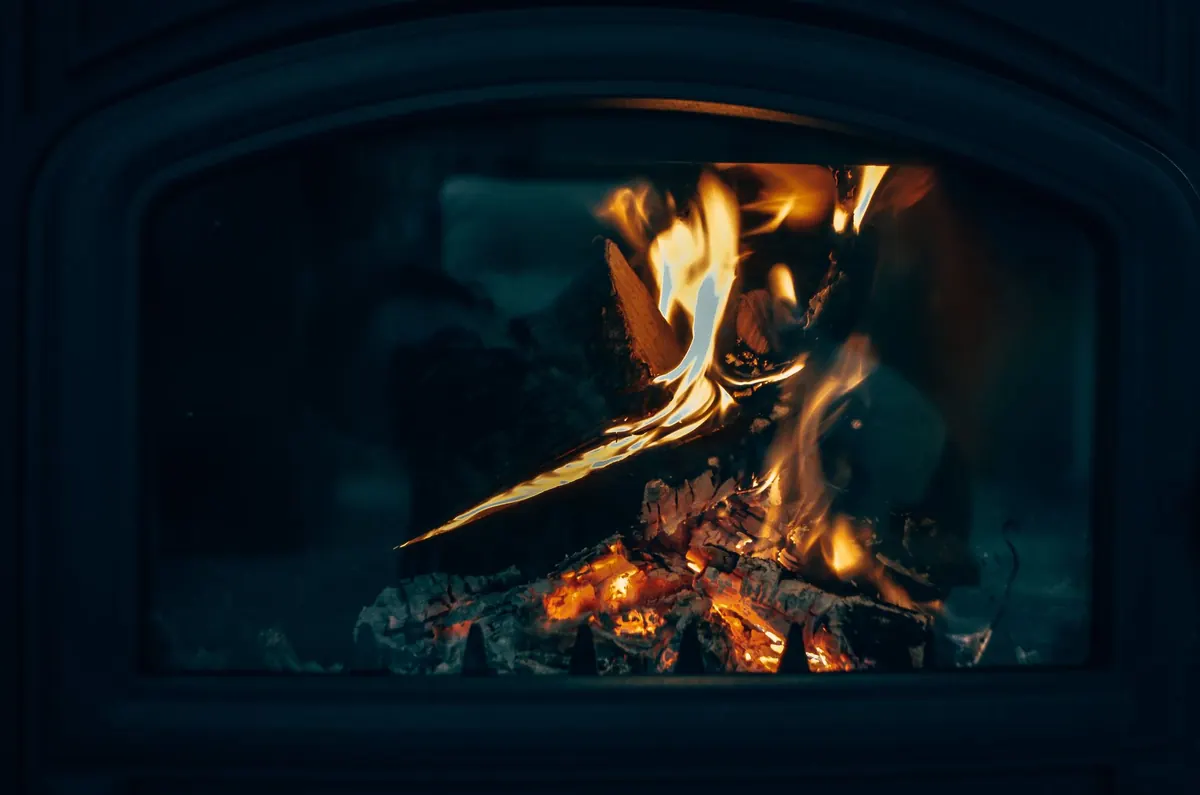
Seasonal Guide: Getting Your Fireplace Ready for Winter
The first properly cold evening always arrives without much warning. You come in, the light has gone, and a fire stops being an indulgence and starts being the point of the room. That is the worst moment to discover that the chimney has smelled odd since spring, or that the grate is missing a bar. Autumn is when this work belongs: the evenings are still mild enough to sit in a room with no fire, and there is time to put right whatever you find. Below is a sensible order to work through, whether you have an open fire, a wood burner or a stove you inherited with the house.
Start With the Chimney, Not the Fire
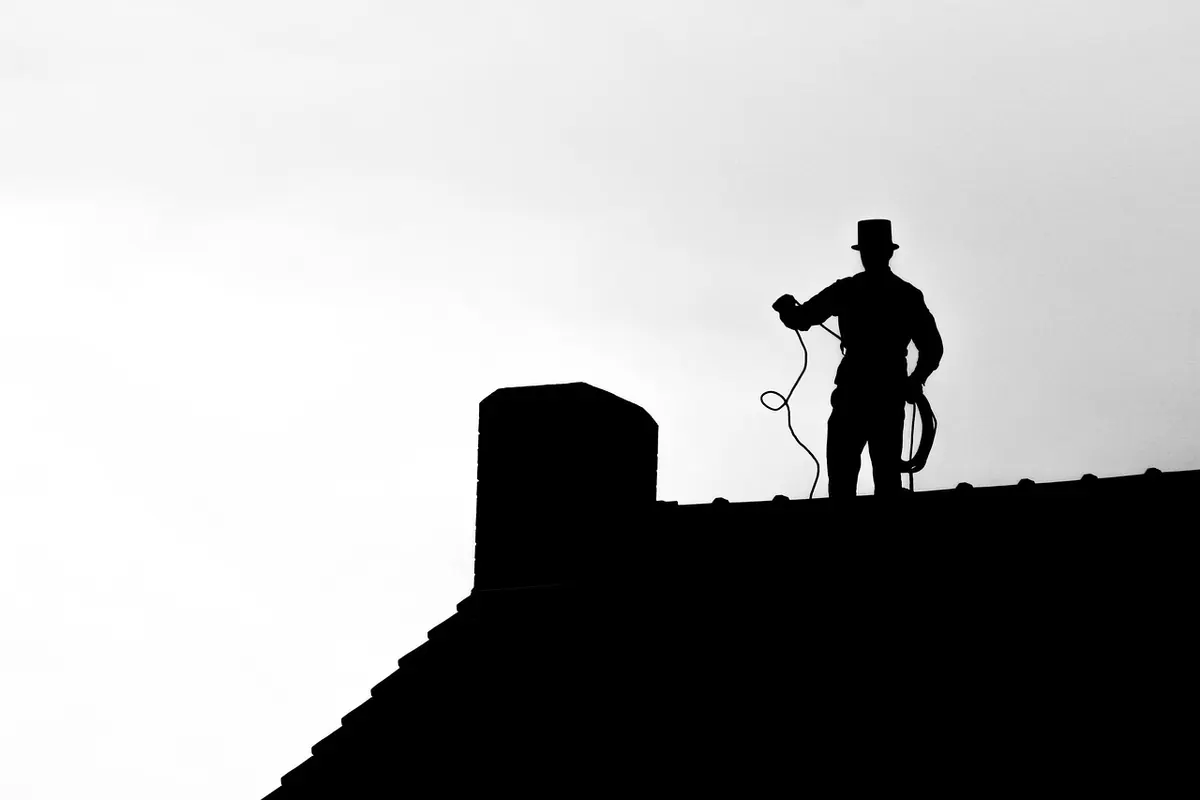
If the flue has not been swept since last winter, it is carrying a season's worth of soot, and quite possibly a jackdaw's nest as well. Sweeps fill up fast from October, so ring in September if you can. The signs that you are overdue are usually obvious once you know them: soot dropping into the grate, black flakes on the hearth, a tar or smoke smell on warm days, smoke spilling into the room as you light up, or a fire that sulks instead of catching.
A sweep does more than push a brush up a flue. Ask them to check the flue lining for cracks and loose mortar, the pot or cowl at the top of the stack, and any nest material left from the spring. While someone is up there, it is worth looking at the pointing on the stack and the flashing where it meets the roof — that is usually a roofer's job rather than a sweep's, but you want to know about it before the first storm, not after.
As a rule of thumb, a solid fuel appliance wants sweeping at least once a year, and twice if you burn coal or light the fire most days. Keep the receipt or certificate. Insurers ask for evidence of maintenance when a chimney claim comes in.
Work Through the Fireplace Itself
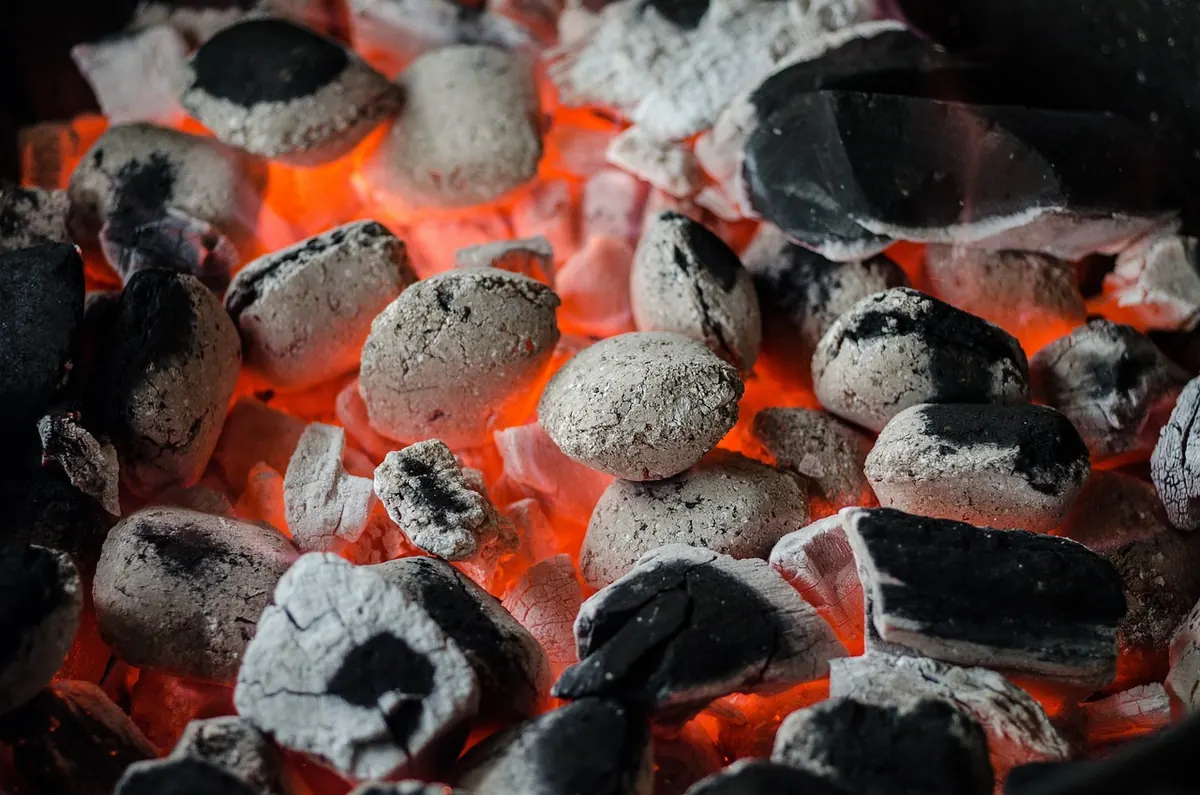
With the flue sorted, turn to the appliance and the surround. On an open fire, check the fireback and firebricks for cracks, and look closely at the mortar joints between them. A cracked fireback is not cosmetic: it lets heat reach the brickwork behind, and that brickwork is not designed to take it. Then run a hand over the grate. Cast iron bars sag and eventually snap, and a broken bar drops hot coals into the ash pan rather than holding them where they belong.
On a stove or wood burner, the door seal is the part that quietly fails. Test it by closing the door on a strip of paper and pulling gently. If the paper slides out with no resistance, the rope needs replacing. It is a cheap part and a straightforward job. Check the door glass and its clips at the same time, and make sure the air controls still move freely rather than seizing halfway through a cold snap.
Step back and look at the whole installation. A cracked hearth or a surround that shifts when you lean on it needs a professional eye. Embers can find their way through gaps you would barely notice in daylight. If your appliance runs on gas or oil, book a registered engineer — Gas Safe for gas, OFTEC for oil — and leave the casing firmly shut until they arrive.
Buy Your Fuel Now and Store It Properly
Damp wood is the single most common reason a fire smokes, burns cool and lines the flue with tar. Aim for firewood below about 20 per cent moisture. Without a meter, you can get a rough idea by knocking two logs together: dry ones ring, damp ones thud. A basic moisture meter, tested on a freshly split face rather than the weathered outside, settles the argument for good.
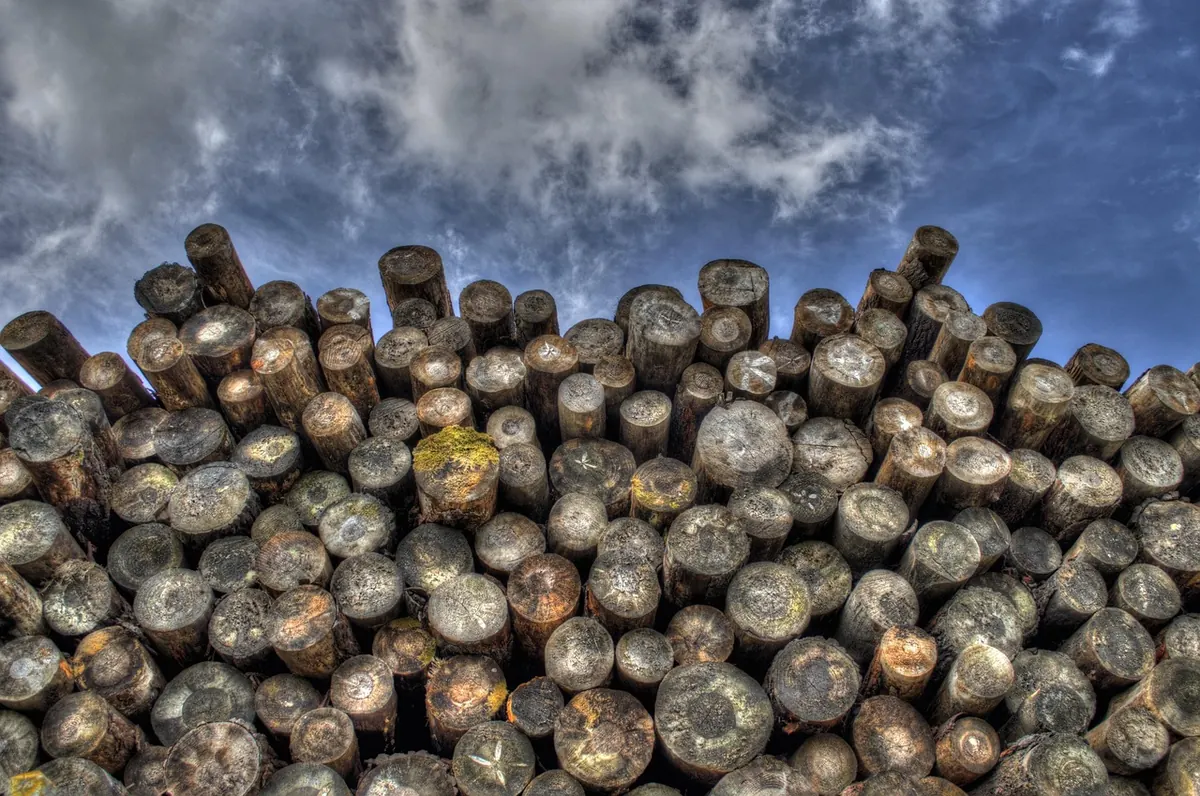
Stack split logs off the ground on pallets, cover the top, and leave the sides open to the wind. A tarpaulin wrapped right around the pile simply traps moisture inside it. Wood cut this winter is next winter's fuel, so think a season ahead rather than a week.
- Seasoned hardwood or kiln-dried logs, ideally below 20 per cent moisture
- Smokeless fuel or approved products if you live in a smoke control area — check with your local council before ordering
- Kindling and natural firelighters kept somewhere genuinely dry
- Ash emptied into a metal bucket, never a plastic bin or a paper bag
Leave out painted or treated timber, pallet wood and driftwood. The salts in driftwood corrode a grate, and treated wood gives off fumes you do not want in a living room. Bring in a day or two of logs at a time and keep them off the hearth, well clear of the appliance.
Test the Alarms and the Safety Kit
Carbon monoxide is odourless and colourless, and a blocked or cracked flue can produce it long before you notice anything wrong. Fit an audible CO alarm in the room with the appliance, following the manufacturer's guidance on placement, and test it monthly through the winter. Replace the unit at the end of its stated life, which is often shorter than people assume. In England, landlords must provide a CO alarm in any room containing a solid fuel appliance; rules differ elsewhere in the UK, so check what applies where you live. If you own your home, fit one anyway. An alarm is a backup, not a substitute for sweeping.
Test the smoke alarm on the same afternoon, change the batteries, and replace the whole unit if it is more than ten years old. Then check the rest of the kit:
- A fireguard if there are children or pets in the house
- A fire blanket or a water and foam extinguisher within reach of the hearth
- Long matches or a gas lighter, so you are not leaning into the firebox
Do Not Seal the Room Up
A solid fuel fire needs air. A blocked air brick, a vent that has been closed for years, or draught-proofing taken one step too far will make a fire smoke, burn badly, and in the worst case pull combustion gases the wrong way. Check that vents are clear and keep a permanent air supply to the room. If new windows or doors have gone in recently, that is exactly when ventilation deserves a second look.
Your Autumn Checklist
- Book the sweep, aiming for September.
- Ask them to check the flue, pot, cowl and stack while they are up there.
- Inspect the grate, fireback, firebricks, hearth and door seals.
- Order or move your fuel so it is dry and within reach.
- Test the smoke and carbon monoxide alarms.
- Clear air bricks and vents, and move any log stack away from them.
- Check the fireguard, ash bucket and extinguisher.
- Light a small test fire on a mild evening, well before you need one.
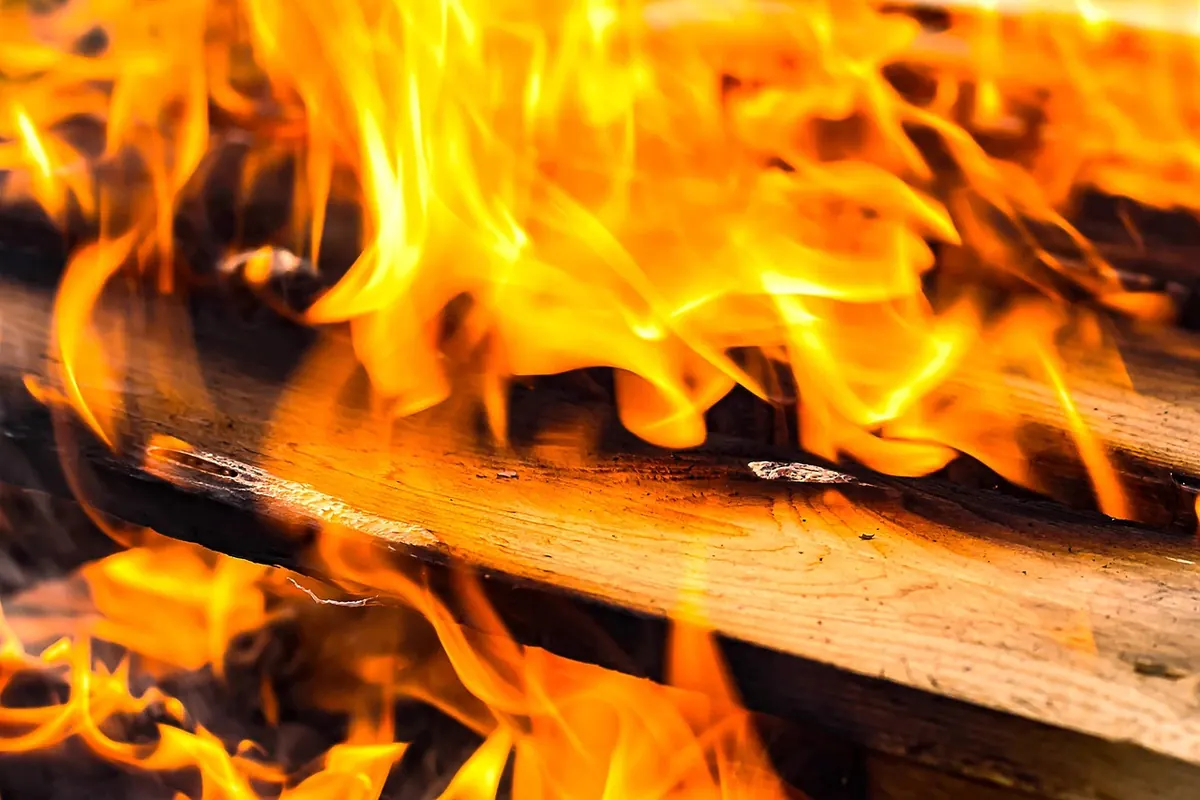
That last point matters more than it sounds. Do it on an evening when you can open a window, take your time and watch how the fire behaves: whether it draws, whether smoke spills, whether the door seals hold. If something is wrong, you have weeks to sort it rather than one cold night. And if anything about the flue, hearth or appliance looks doubtful — particularly with gas or oil — stop and call a qualified professional before you light up.
Photo: Svitlana Ivanova / Pexels
You Might Also Like
Burning the wrong fuel in a smoke control area can mean a fine of up to £1,000. Here's how to check the rules and heat your home legally.
A practical, room-by-room fire safety checklist for homes with open fires and log burners, covering alarms, hearth guards, extinguishers, chimney care and safe ash disposal.