Common Mistakes to Avoid When Using a Wood Stove
A wood stove asks very little of you: wood in, heat out. That simplicity is exactly why so many households end up with a smoky room, glass that blackens overnight, or a flue that needs sweeping twice as often as it should. Most of the trouble comes down to a handful of habits — some picked up from an old open fire, others from a stove that was never properly explained at handover. None of them are difficult to correct.
Here are the mistakes that come up again and again, and what to do instead.
Burning Wood That Isn't Ready
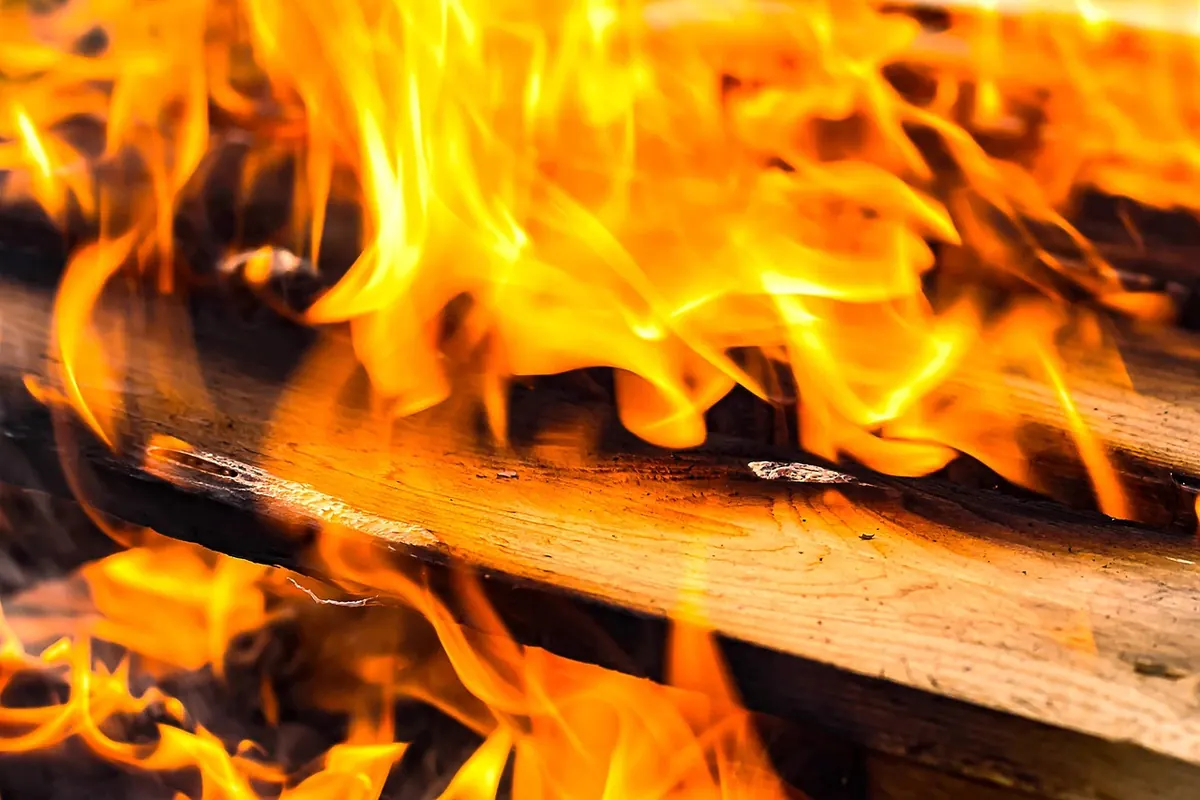
Damp wood is the single biggest cause of poor stove performance. When logs still hold plenty of water, much of the heat from the fire goes into boiling that water off rather than warming your room. The symptoms show up quickly: logs that hiss and spit at the ends, glass that coats in black tar overnight, a lazy orange flame with little heat, and a flue that builds up deposits far faster than it should.
The figure most stove makers work to is a moisture content of around 20 per cent or less. A moisture meter costs very little and takes the guesswork out of it. Split a log and push the pins into the freshly exposed face — testing the outside of a log tells you almost nothing.
If You Don't Have a Meter
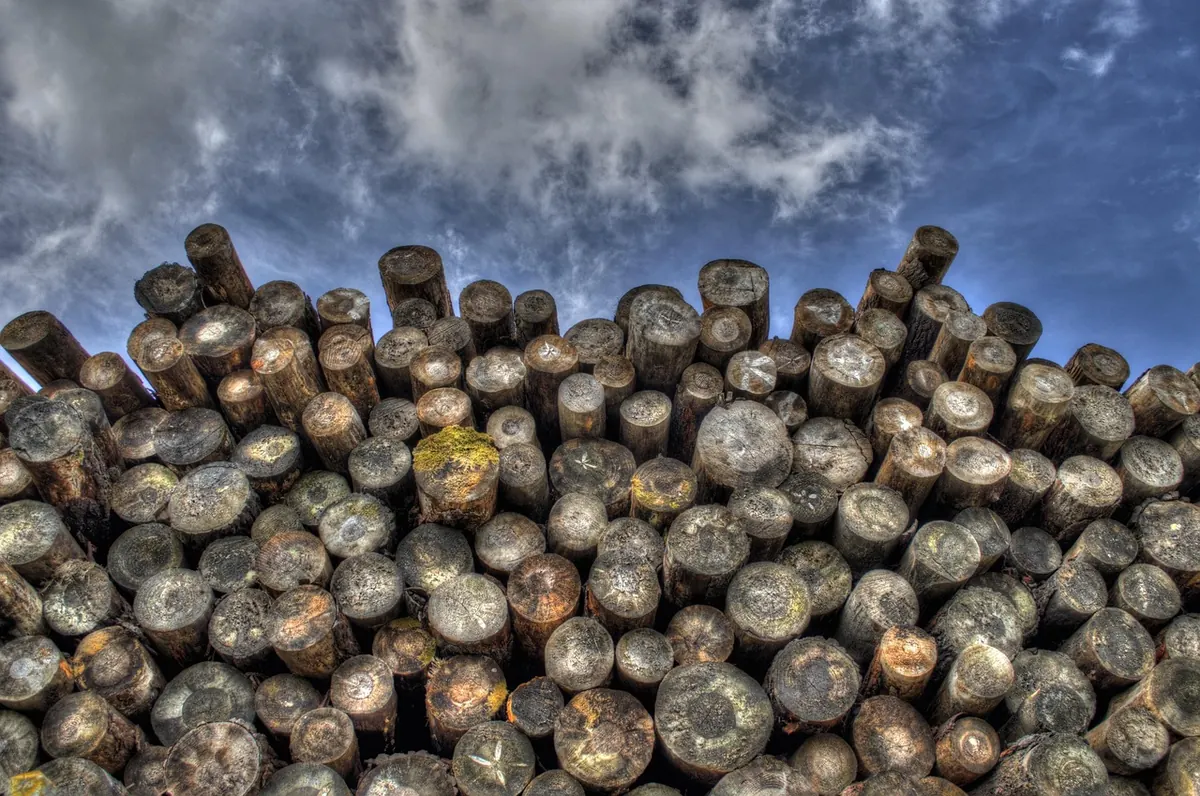
Knock two logs together. Dry, seasoned wood rings; damp wood gives a dull thud. Dry logs feel lighter than they look, have cracked, greyish ends and loose bark. Either way, the fix is the same: buy kiln-dried or ready-to-burn logs, or season your own split wood in a stack with air moving through it, covered on top only, for at least a year — longer for oak and other dense hardwoods.
Over-Fuelling the Firebox
It is tempting to cram the stove to the top and shut the door, especially on a cold evening. But a packed firebox leaves no room for the gases to burn. Instead of a clean, hot fire you get a smothered one that smokes, soots the glass and wastes fuel. It also pushes the stove harder than it was designed for, which is how baffle plates warp and glass cracks.
Load to roughly two-thirds capacity, keeping clear space between the top of the fuel and the baffle plate, and stick to the log length and maximum load in your manual. If you want a long burn, two or three larger logs work better than a dozen small ones.
Closing the Vents Too Soon
Light the fire, then immediately shut the door and push the air controls down, and you send the fire into a slow smoulder. You will see it in the chimney: dark smoke instead of a faint shimmer. Inside, the glass blackens, the fire struggles to recover, and the flue gathers tar. A choked fire also produces more carbon monoxide, which is the reason a CO alarm belongs in any room with a solid fuel appliance.
Let the stove run with the air open until the flue is warm and the fire is established — often ten to twenty minutes, longer if the chimney is cold. Then reduce the air in stages, a little at a time, watching the flame rather than guessing. Add new logs onto hot embers, not onto a dying fire; a log dropped on a nearly dead bed will smoulder whatever you do with the vents.
Overnight Burning
Slumbering a stove by closing everything down is false economy. A choked fire gives little heat and a lot of tar. For overnight warmth, fill with larger dry logs, let them catch properly, then reduce the air to a setting that still shows active flame. Never shut the vents completely on a sealed stove unless the manufacturer specifically allows it.
Loading and Lighting Well
Small details make a large difference:
- Light from the top. Kindling and a firelighter above a couple of larger splits warms the flue faster and smokes less while the fire gets going.
- Keep fuel back from the glass. Logs resting against the door are what blacken it, not the fire itself.
- Use the airwash. Most modern stoves draw a curtain of air down the inside of the glass. It only works when the fire is hot and the secondary air is open.
- Don't run it with the door open. That turns an efficient stove into an open fire — less heat, more smoke in the room.
- Refuel little and often if you want steady heat, rather than in huge batches.
What Should Never Go in a Wood Stove
Wood means wood. Household rubbish, plastic, glossy magazines, painted or treated timber, chipboard and driftwood all release things you don't want in your flue or your air, and some of them damage the stove. Coal and smokeless fuel belong in an appliance designed for them, not in a wood-only stove. If you live in a smoke control area, check which fuels and appliances are permitted with your local council before you burn.
Chimney, Seals and Ash
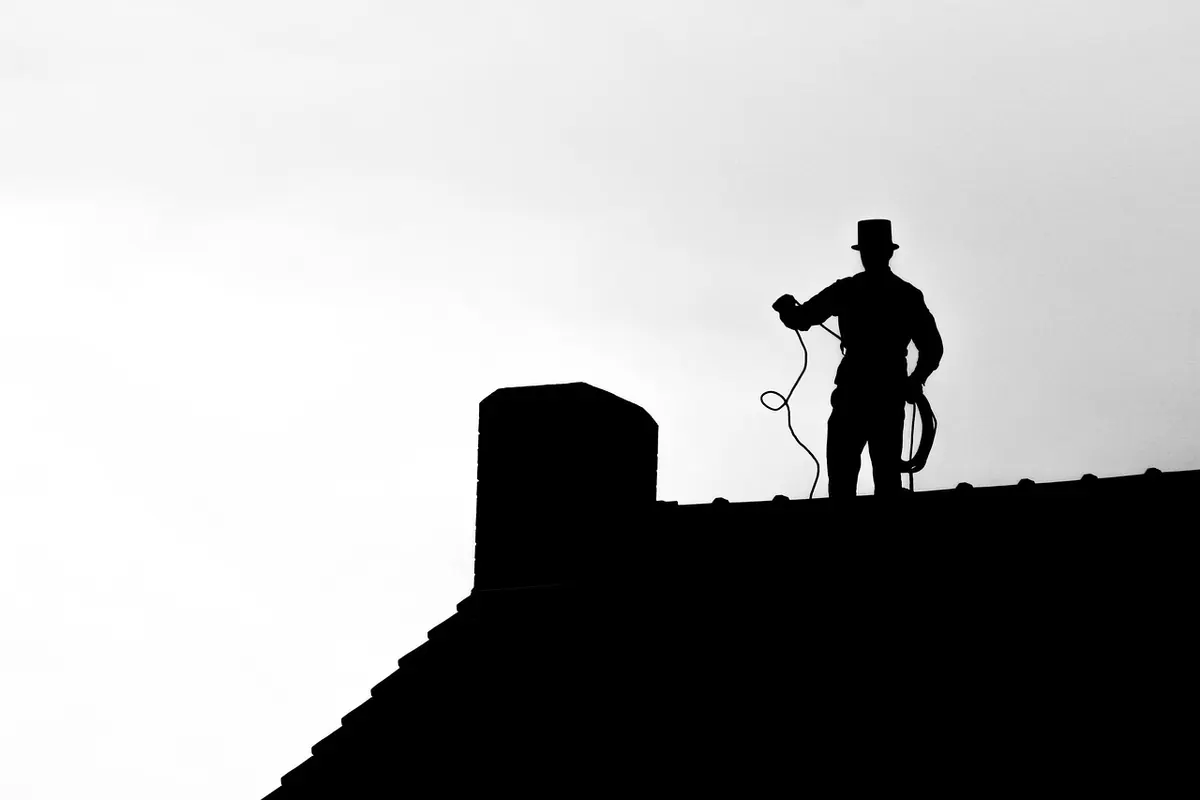
Your chimney does work the stove cannot. Have it swept by a registered sweep at least once a year, and more often if you burn daily through the winter. Birds' nests, a dislodged pot or a blocked terminal all show up as a stove that smokes when lit or refuses to draw. Two checks you can do yourself: look at the rope seal around the door and glass, because a flattened seal makes the fire hard to control, and make sure the baffle plate inside the roof of the firebox sits square and undamaged.
Leave a Little Ash
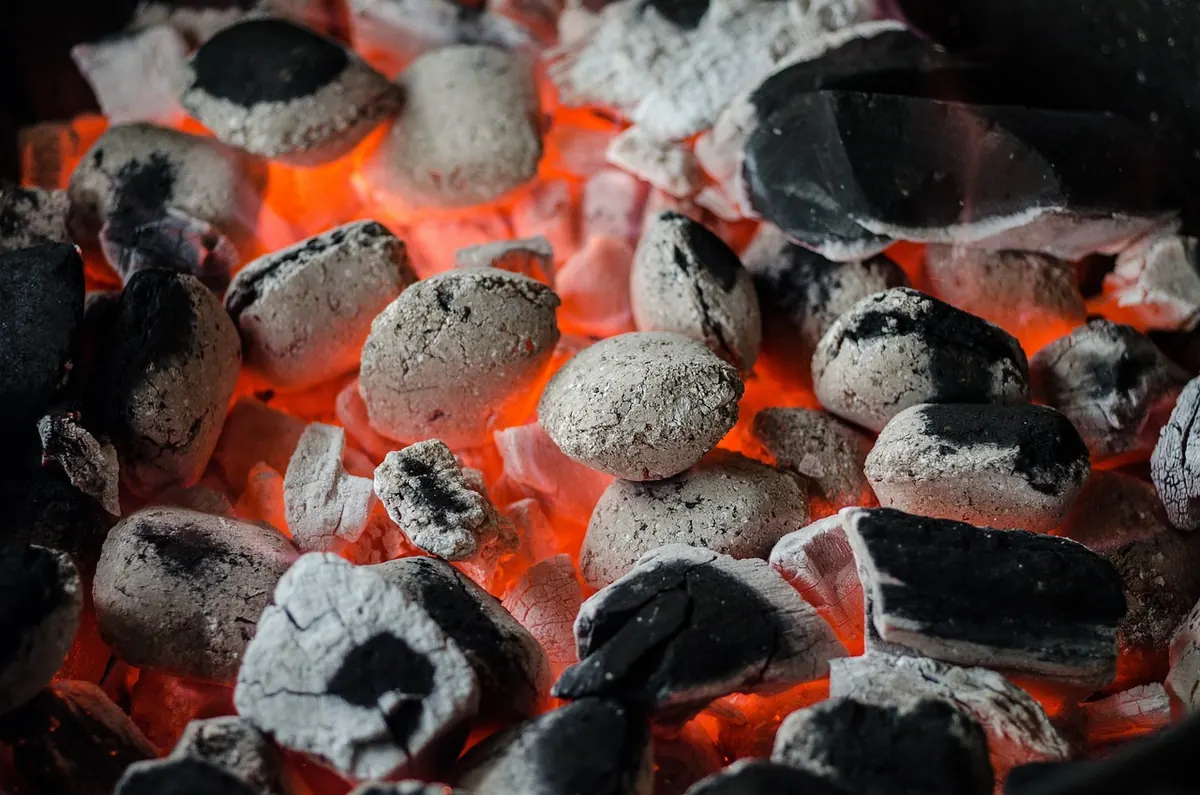
A thin bed of ash, around a centimetre, insulates the base of the firebox and helps the fire burn steadily. Clear it out when it builds up around the grate, and always tip it into a metal container with a lid — never straight into a plastic bin, because ash can stay hot for a long time.
A Routine That Keeps Everything Working
Most of these mistakes come from rushing, or from never having been shown. A short routine covers nearly all of them:
- Check the fuel is dry and split, and meter it if you are unsure.
- Warm the flue with a top-down fire, air fully open.
- Load to about two-thirds and leave space at the top.
- Reduce the air gradually once flames are steady.
- Empty the ash when it needs it, and book the sweep every year.
A stove run this way gives more heat from less wood, keeps the glass clearer and sends far less tar up the chimney. If you are ever unsure about your flue, your liner or how your stove behaves in a smoke control area, ask a registered sweep or installer. A short conversation now saves a messy problem later.
Photo: 11082974 / Pixabay

You Might Also Like
Burning the wrong fuel in a smoke control area can mean a fine of up to £1,000. Here's how to check the rules and heat your home legally.
A practical, room-by-room fire safety checklist for homes with open fires and log burners, covering alarms, hearth guards, extinguishers, chimney care and safe ash disposal.